Survivors Speak: The Battle for Education in North West Region Amidst Kidnapping Trauma
A Troubling Legacy
In February 2019, the tranquil morning at Saint Augustine's College in Kumbo shattered as separatist fighters stormed the campus, abducting 176 individuals, primarily female students. This incident marked the largest school kidnapping in Cameroon's English speaking regions since the onset of separatist unrest in 2017. Among those taken were 170 students, many of whom were unprepared for the bizarre and terrifying ordeal, some barely clothed and barefoot after being yanked from their dormitories in the early hours of the morning. Although negotiations eventually led to the release of the kidnapped students, they came at a bitter cost the immediate closure of the school, a vital educational institution in the region.
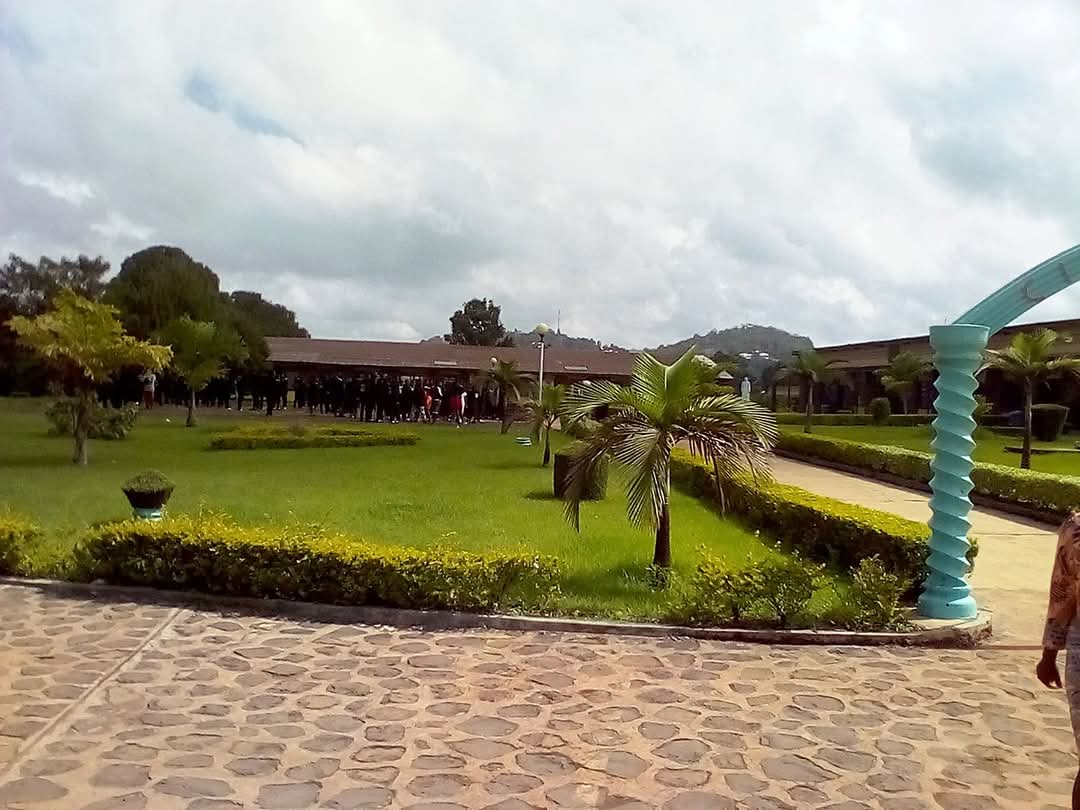
Saint Augustine's College had been more than just a school; it was a beacon of hope for students from various backgrounds, some arriving from as far afield as other countries. Its closure was a devastating blow not only to the local educational landscape but also to the economic lifeblood of the community that relied on its existence.
Voices from the Shadows
Cameroon Insight spoke with two survivors of this harrowing event who agreed to share their stories under initials to protect their identities, S.N. and K.N., whose narratives delve deep into the implications of such violence on education and quality of life.
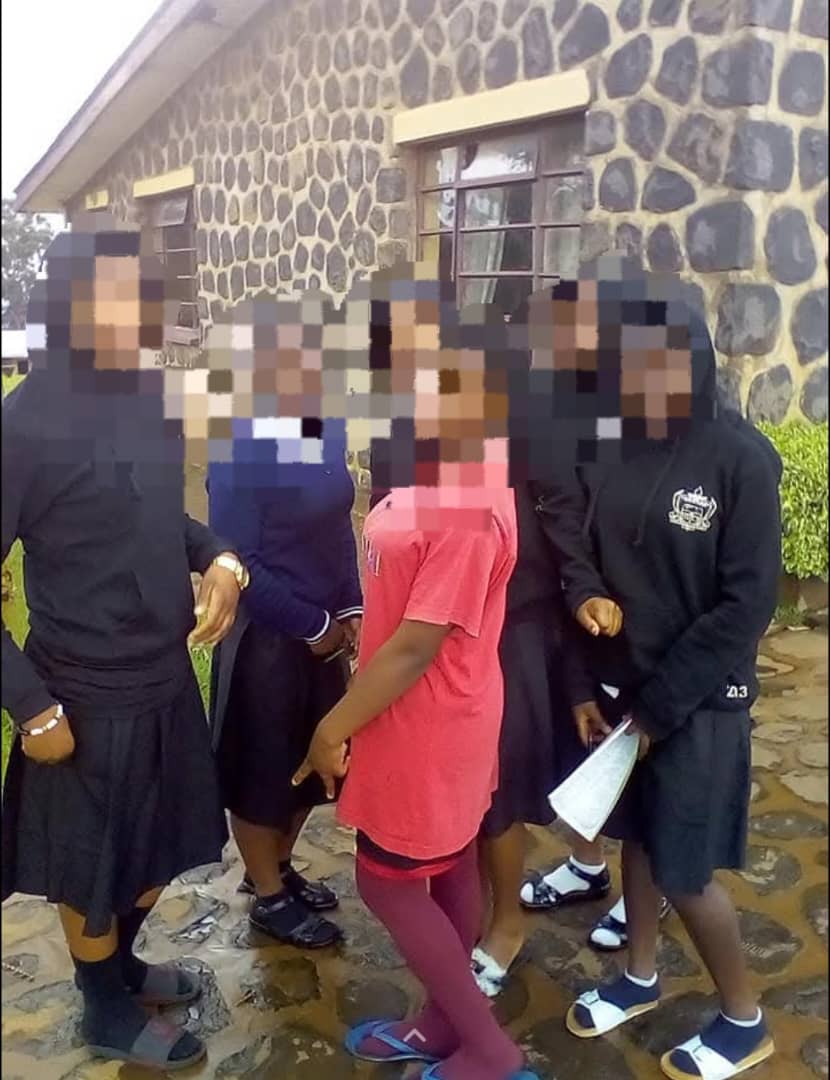
S.N., then a Form 5 student and recovering from a minor foot surgery, recounted her torment: “I had just had a minor surgery on one of my feet the day prior. When they stormed the dorm, we had no luxury of dressing up or even grabbing our belongings. I was forced to trek with a wounded foot, barefoot the pain was excruciating.” Despite the emotional scars, S.N. pressed on with her studies. “My parents sent me to Bamenda to continue my education. Though I try to focus, I’m still jumpy and lost in thought. I struggle with my coursework now; I was once very bright.”
In contrast, K.N. shared a story of perseverance that mirrored resilience. “I stayed at home until the next academic year. My parents finally sent me back to school, and the environment helped me excel,” she said. “There was a financial assistance program for IDPs that made a huge difference.”
These girls’ experiences highlight the urgent necessity for not just educational recovery but emotional and psychological healing in the wake of trauma.
A Deeper Understanding
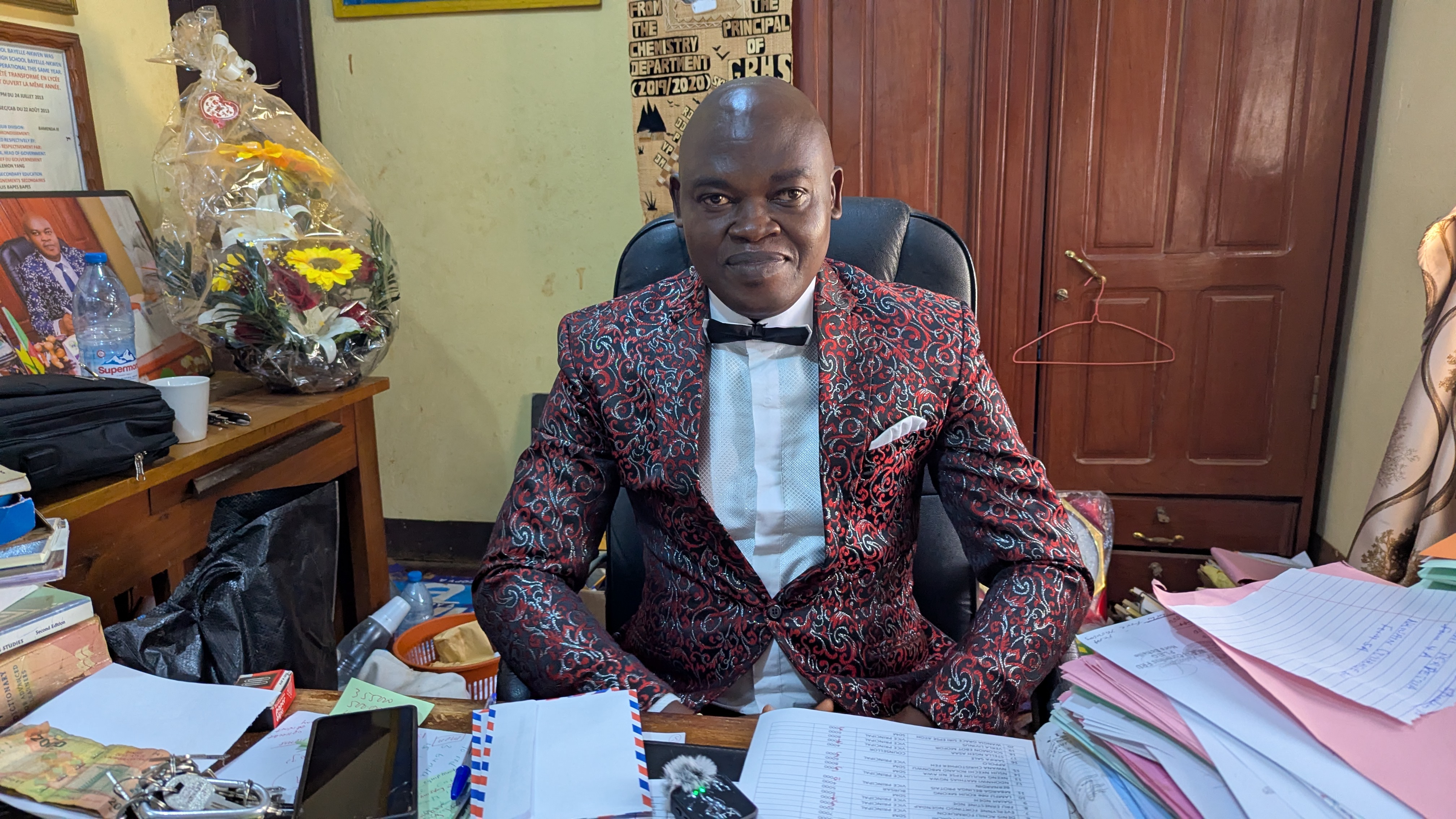
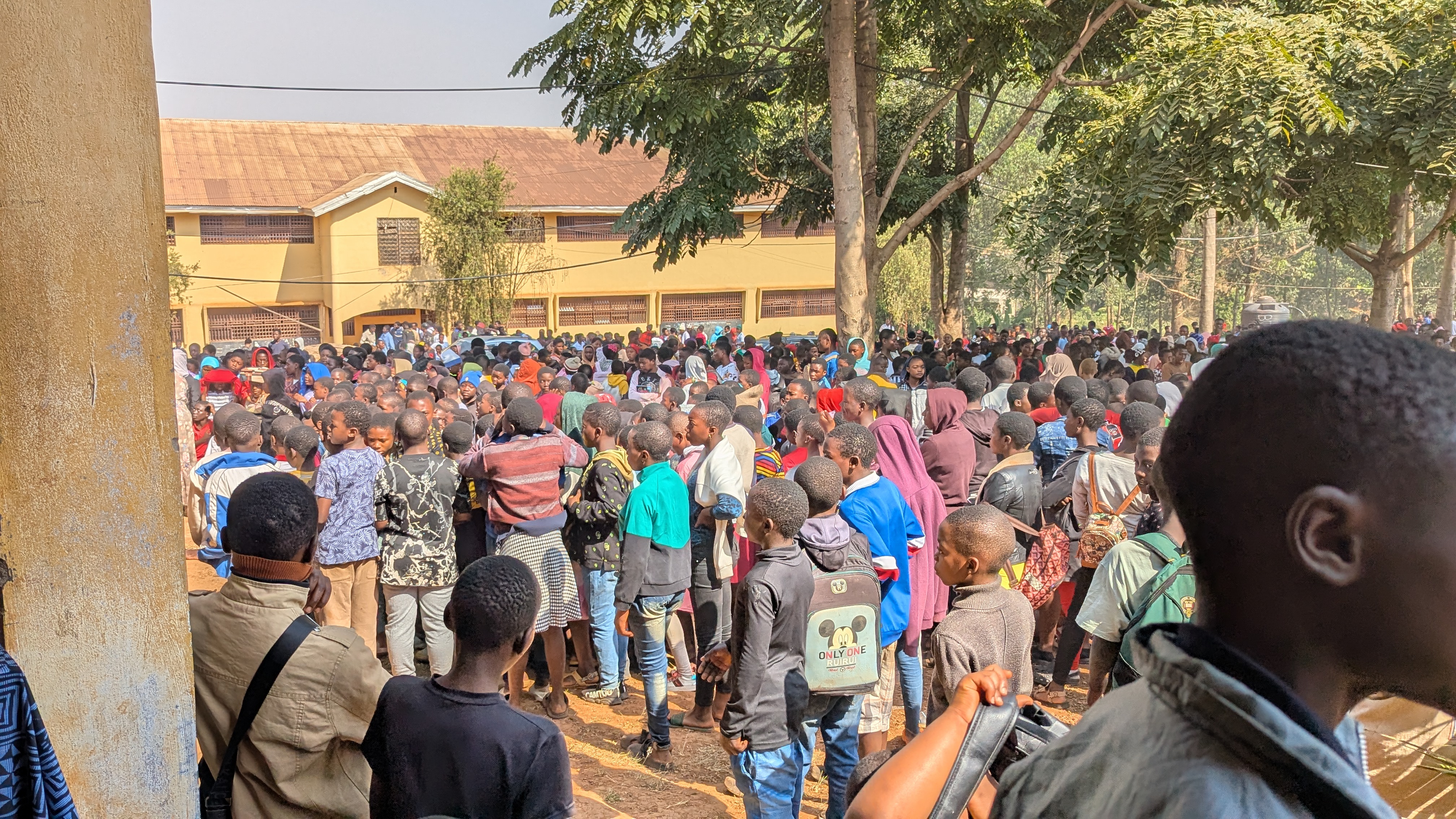
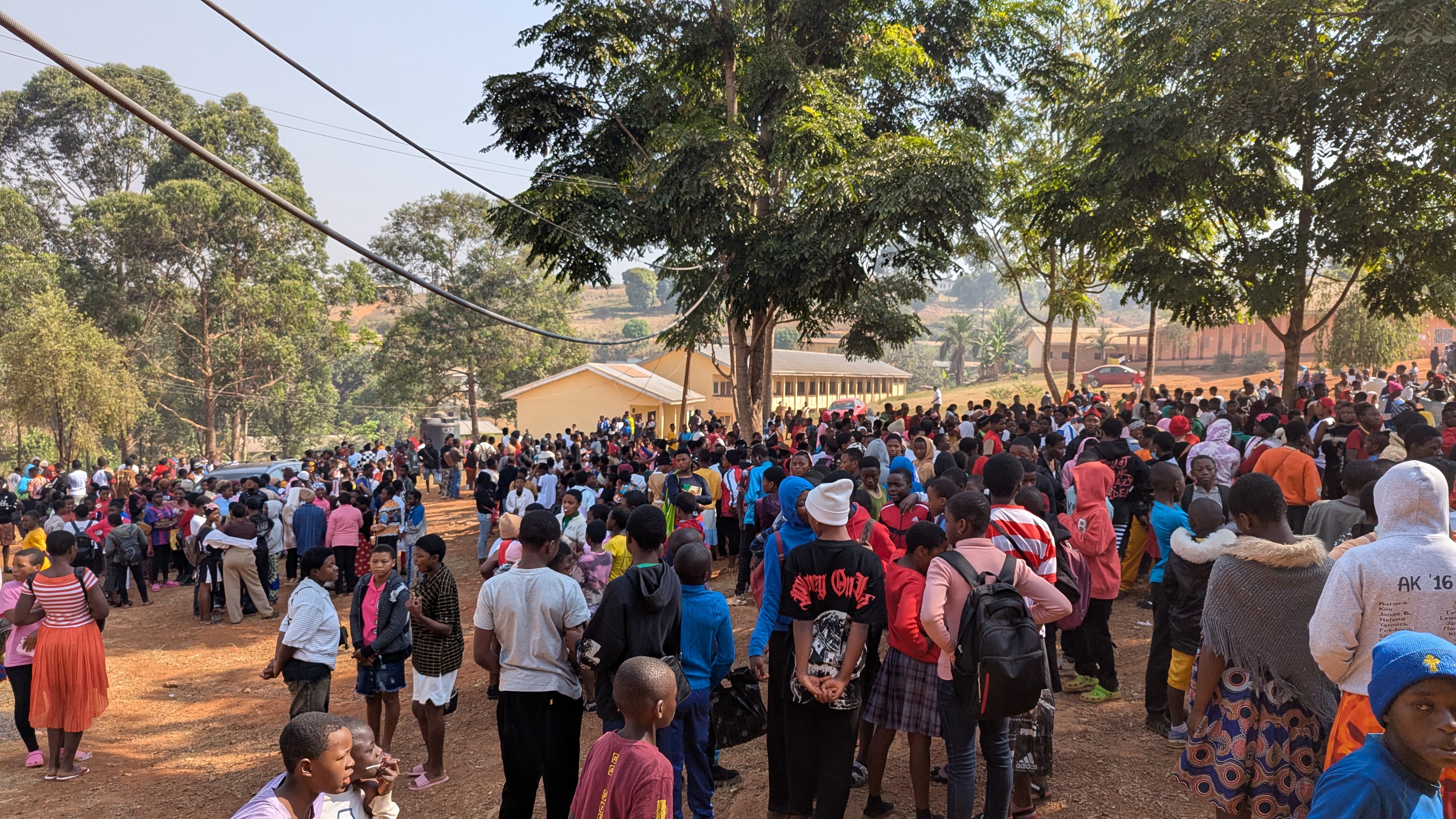
To examine the broader implications of these incidents, we visited GBHS Bayelle, a school that has taken in many displaced students. Principal Ngesi Cornelius Fru outlined the school’s initiatives for supporting IDPs. “We’ve added classrooms and redeployed staff to meet their needs. We also offer online lessons and use innovation like the digital board,” he noted.
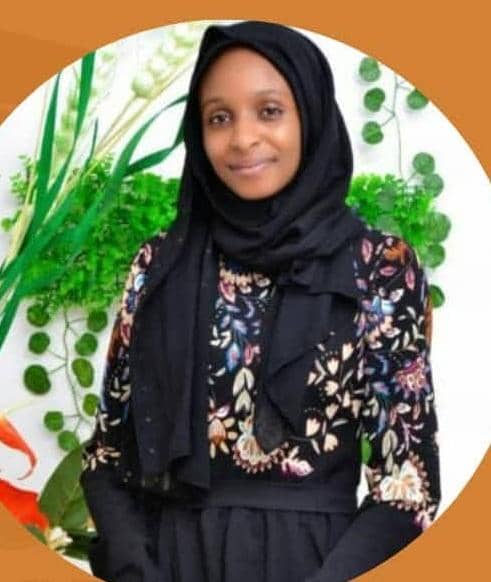
Yet behind the administrative successes, the emotional toll is apparent. Sarifa Sale, a Guidance and Counseling Teacher, elaborated on the challenges faced by IDP students. “Adapting to new environments, financial hardships, and the trauma of losing loved ones are major hurdles. We assist students through individualized counselling and cooping strategies to help traumatized students regain their footing and recommend financial exemptions for the most vulnerable.”
A Crisis Multiplied
The challenges faced by students in the Northwest Region are compounded by factors extending beyond individual trauma. The effects of prolonged closure of educational institutions can ripple throughout society, fostering gaps in knowledge, economic stagnation, and intergenerational poverty. According to OECD research, education is closely linked to overall well-being and future employment opportunities essentially, when children are deprived of their right to education, the consequences can be catastrophic.
This crisis is exacerbated for those transitioning from the Anglophone to Francophone educational systems, where language barriers can hinder academic achievement. Many students require additional resources such as translators, which further complicates their learning journey.
Impact of Educational Initiatives
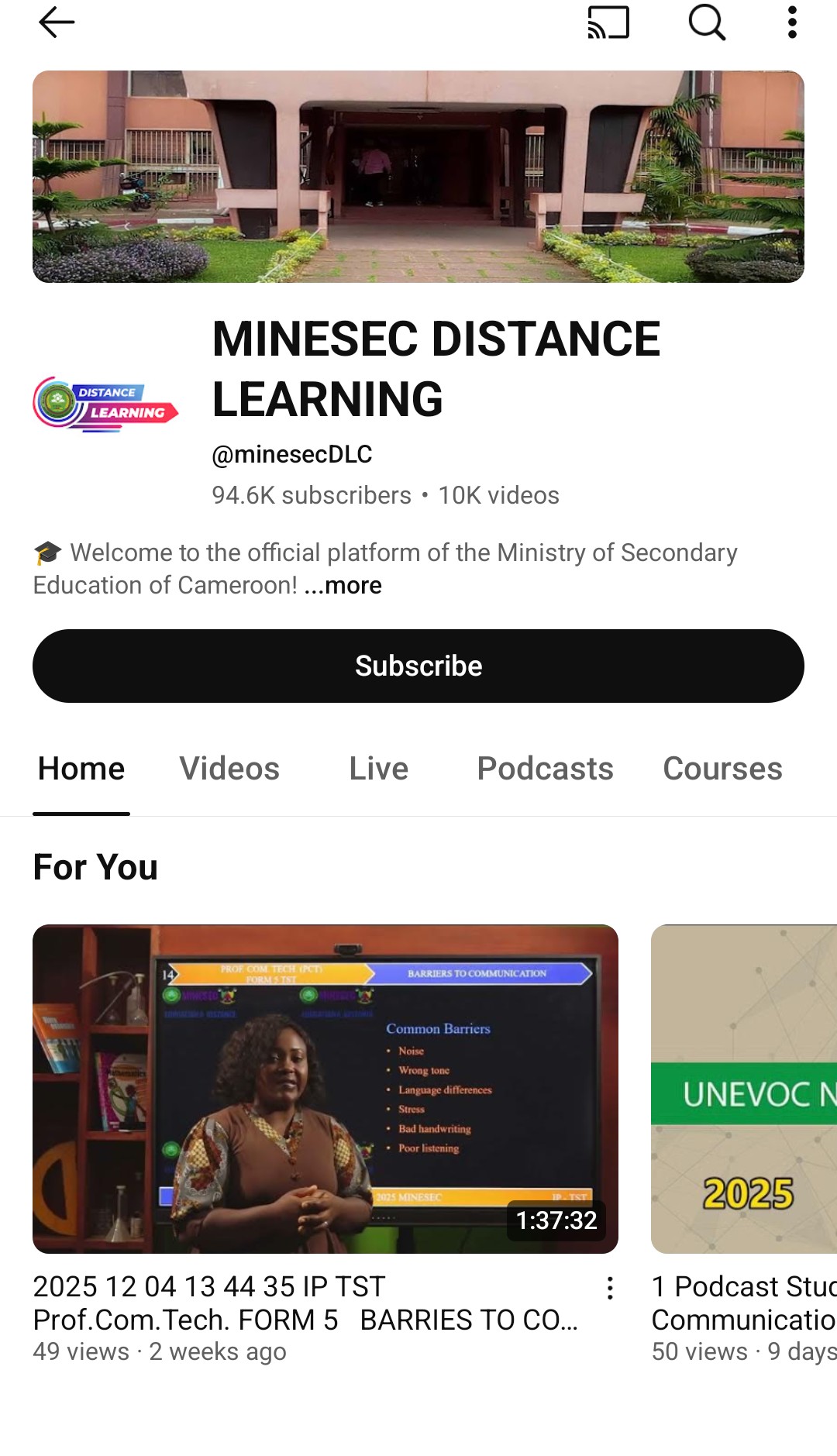
The Ministry of Secondary Education's e-learning initiative, launched in June 2020, aims to ensure educational continuity amidst crises, leveraging technology for distance learning. This modernization is crucial not just for urban students but also for those in rural areas lacking electricity.

A recent handover of 254 Promethean interactive digital boards by Commonwealth delegation led by Minister Felix Mbayu signifies a leap forward in educational technology. Minister Nalova Lyonga described this initiative as transformative, fostering a dynamic learning experience that engages students through interactive capabilities.
A Troubling Trend
However, despite these advancements, the number of IDP students at GBHS Bayelle has seen a decline, from over 700 in 2019 to just 312 today, indicating a potential return of some stability in conflict-affected areas, or migration to francophone regions for better opportunities.
Yet, the long-term effects of the kidnapping incident and ongoing violence cannot be overlooked. Reports of rising teenage drug use and suicide are emerging, emphasizing the urgent need for psychosocial support and safe learning environments.
Pathways to Recovery
Rebuilding the futures of students in the North West Region will require a multifaceted approach. Community engagement is essential local leaders must advocate for educational rights and stress the necessity of schooling over keeping children at home. This sentiment has led to governmental decrees aimed at keeping girls in school, regardless of personal circumstances like pregnancy.
However, tangible support is crucial. Donations of educational materials, scholarships, and the reconstruction of schools can all play significant roles in revitalizing educational access. Moreover, mental health support systems must be put in place to address the trauma experienced by students.
The situation in Cameroon’s Northwest Region presents a stark reality a once thriving educational landscape now marred by violence and fear. While initiatives like MINESEC’s e-learning program serve as beacons of hope, the systemic issues rooted in violence and displacement require courageous action.
The stories of S.N., K.N., and many others symbolize more than survival; they represent an urgent call to acknowledge and address the multifaceted educational crisis. The future of these children and the broader community depends on our ability to listen, respond, and take meaningful action. Education may be a basic right, yet it remains under siege; the time to stand for those rights is now.
By Bamenjo Petronilla
+237 671870116