Girls Left to Find Answers Alone: AAGYW Wants to Change That
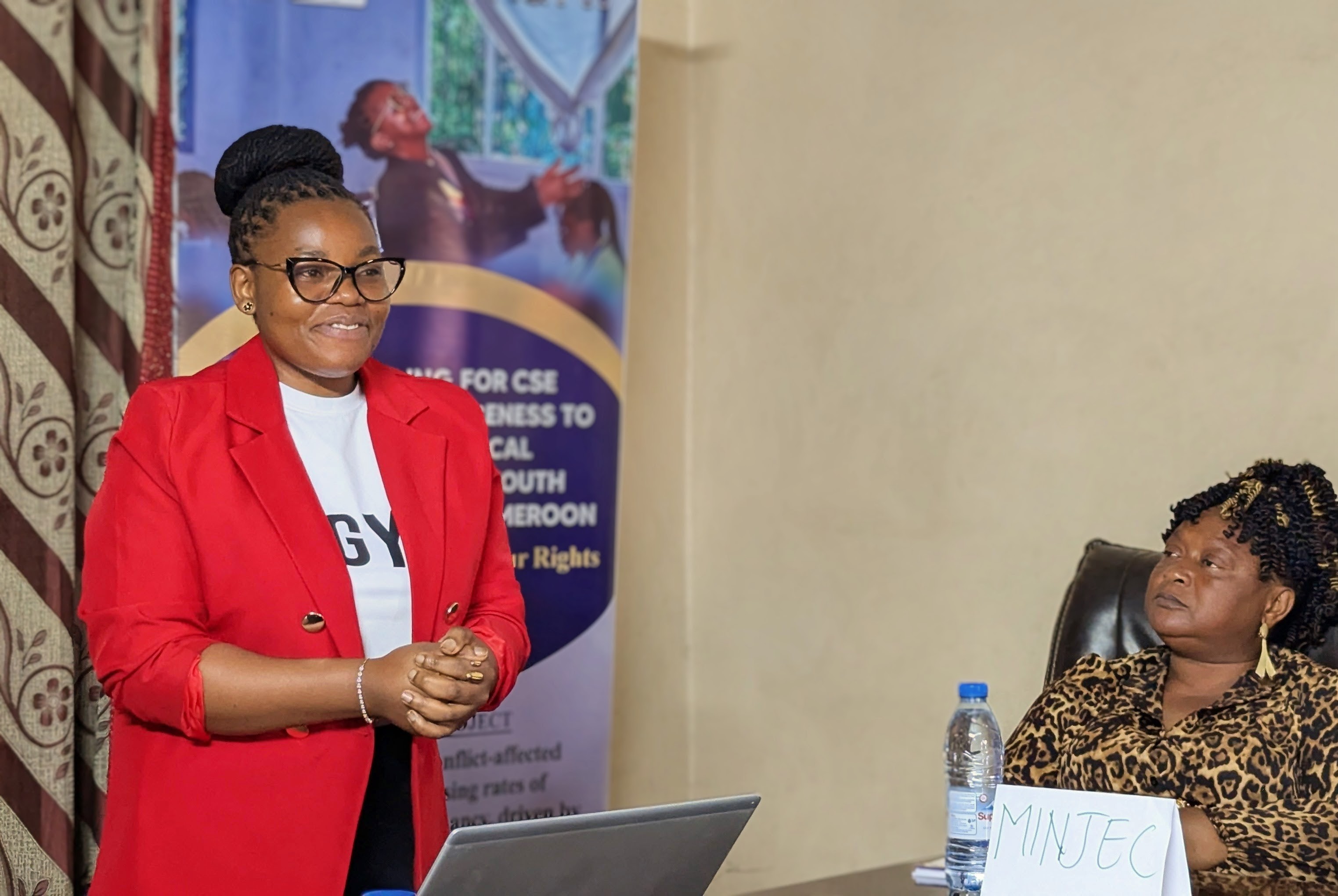
Ndum Charlotte Ayeah remembers being lucky.As a teenager, she had a mother who would sit with her and talk, really talk about her body, her choices, and what it meant to grow up as a young woman. Those conversations, she says, helped her make informed decisions during some of the most vulnerable years of her life.
But she also knows that most girls in Cameroon are not that lucky.
"There are a lot of young people who do not have such parents, for one reason or the other," she said quietly.
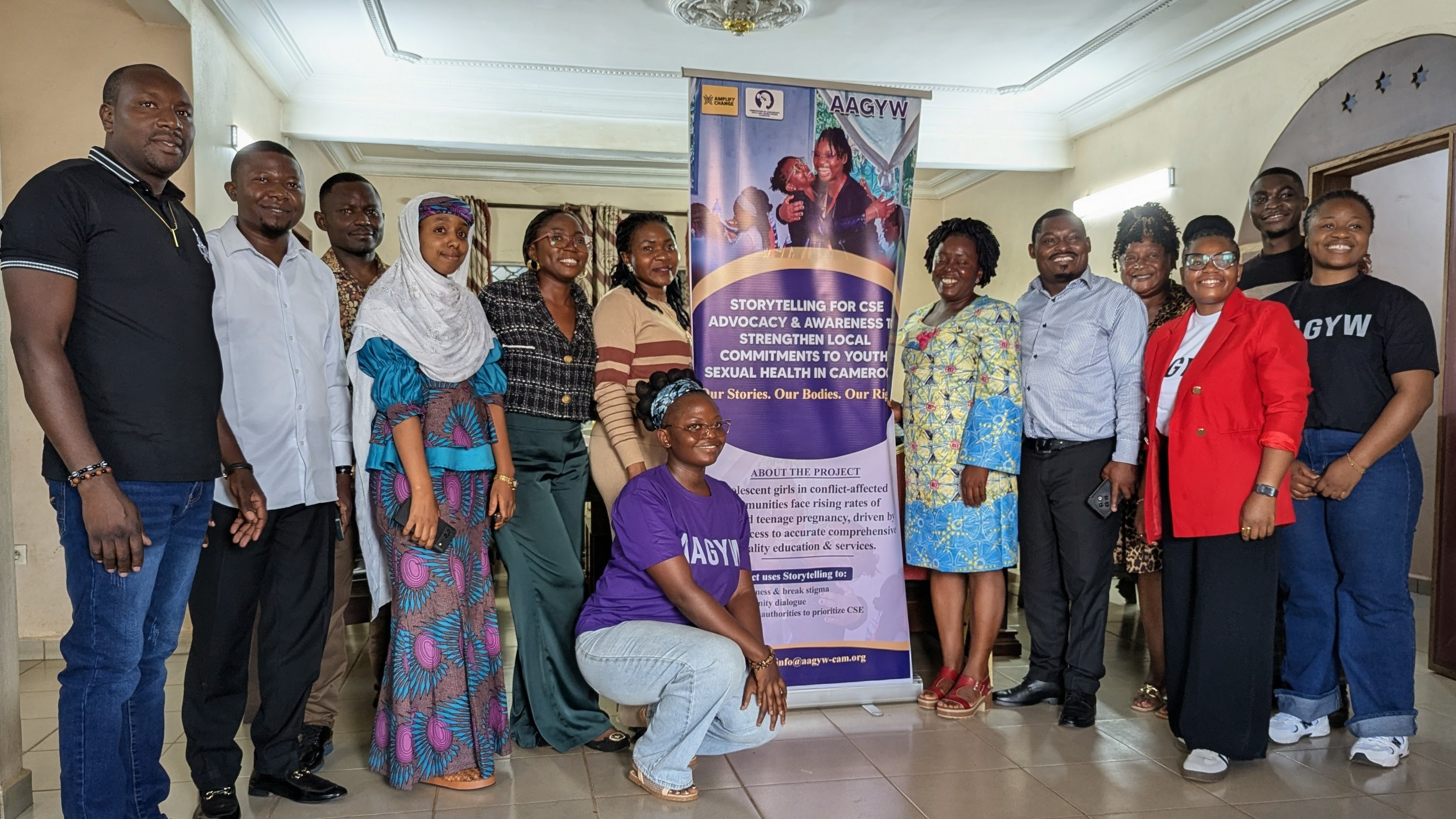
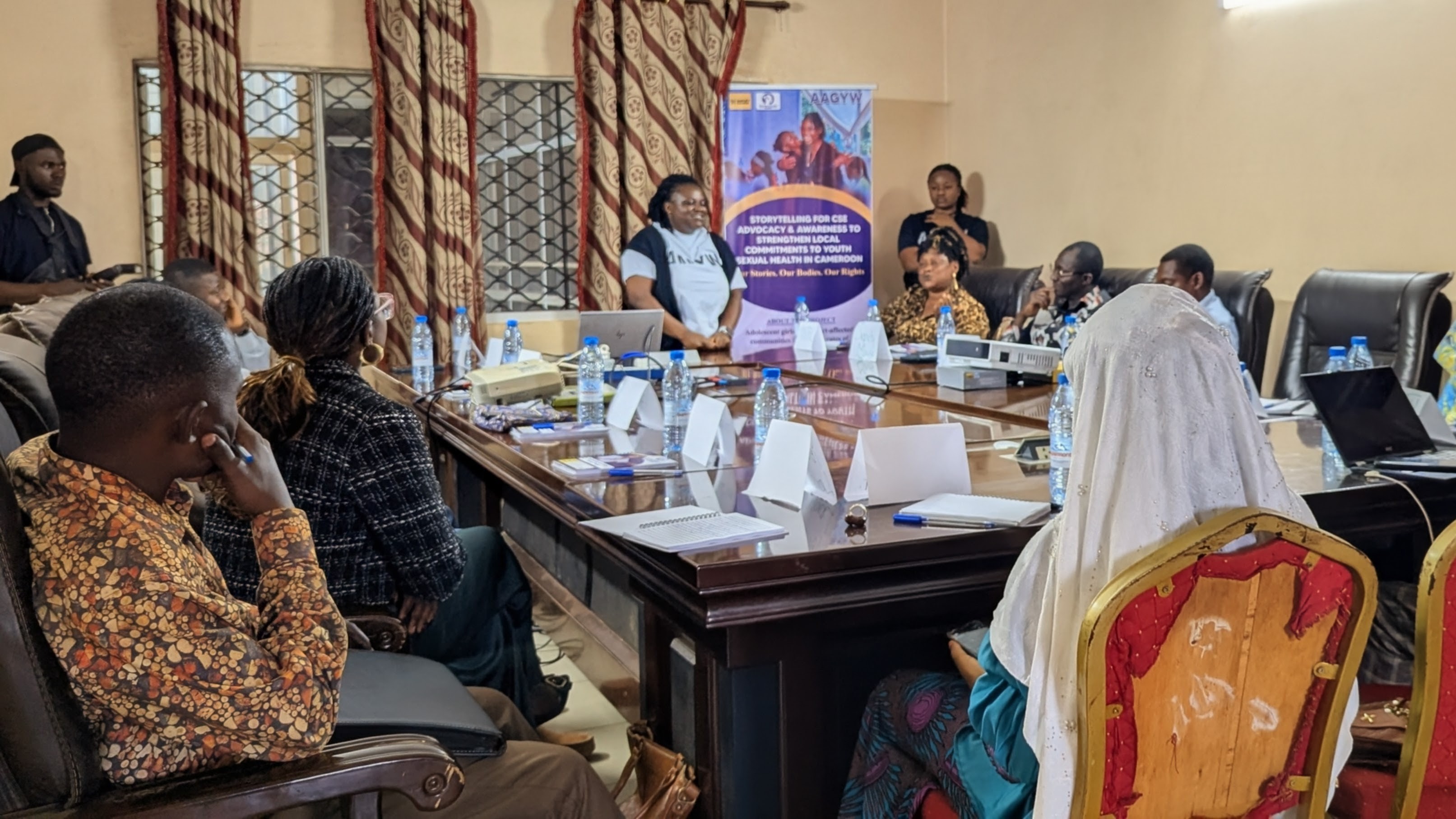
It is that simple, painful reality that sits at the heart of a new project launched on April 17, 2026, by the Association of Adolescent Girls and Young Women in Cameroon, known as AAGYW. Bringing together government officials, council representatives, health experts, youth leaders, and community stakeholders from Bamenda III and Tubah council areas, the organisation officially unveiled a project aimed at giving girls the one thing too many of them are growing up without INFORMATION.
A Crisis Hidden in Plain Sight
The numbers are hard to ignore.Pregnancy is one of the leading causes of death among girls aged 15 to 19 across Sub-Saharan Africa. About half of all pregnancies in that age group are unwanted. And when a pregnant teenager in Cameroon reaches a breaking point, half will seek an abortion in a country where abortion by choice is not legally permitted, meaning the procedure often happens in dangerous, unregulated conditions.
These are not abstract statistics. In Bamenda, a city already carrying the heavy weight of nearly a decade of conflict in the Northwest and Southwest regions, they describe the daily reality of thousands of girls.
"The girl child has been at the receiving end of this crisis," said Dr. Zyh Akumawah, Executive Director of EasyHealth Cameroon, who attended the launch. "A project like this, that centres around her, is very, very important."
The Problem With How We Have Been Teaching
AAGYW did not arrive at this project overnight. For years, the organisation has worked directly in communities, and over time, one issue kept surfacing above all others: teenage pregnancy. When they looked closely at the root causes, they found something that many adults had long overlooked.
Young people were not getting proper sexual and reproductive health education , not in school, and not at home. And even when some information did exist, it was often too scientific, too stiff, and too out of touch with the world young people actually live in.
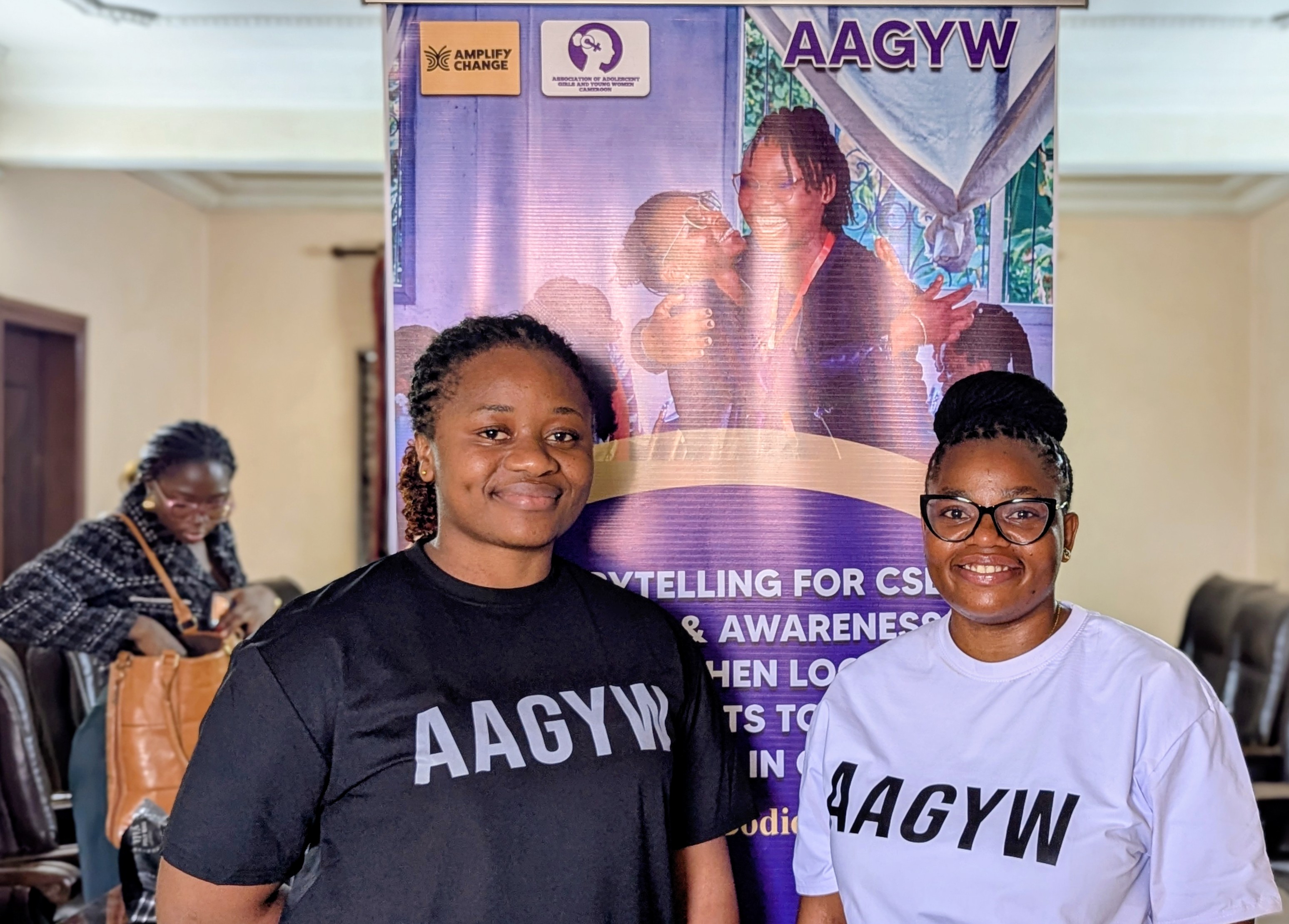
"Sometimes it is too scientific. Sometimes it is not very youth-friendly, not very contemporary or appealing," said Ndum Charlotte, who serves as team lead for the association.So they decided to try something different.
Telling Stories to Save Lives
Instead of brochures and seminars, AAGYW is betting on storytelling.
The project will use both social media and traditional media to co-create stories with young people not just for them. The idea is to meet girls where they already are, in the language they already speak, with narratives that feel real and relevant to their lives.
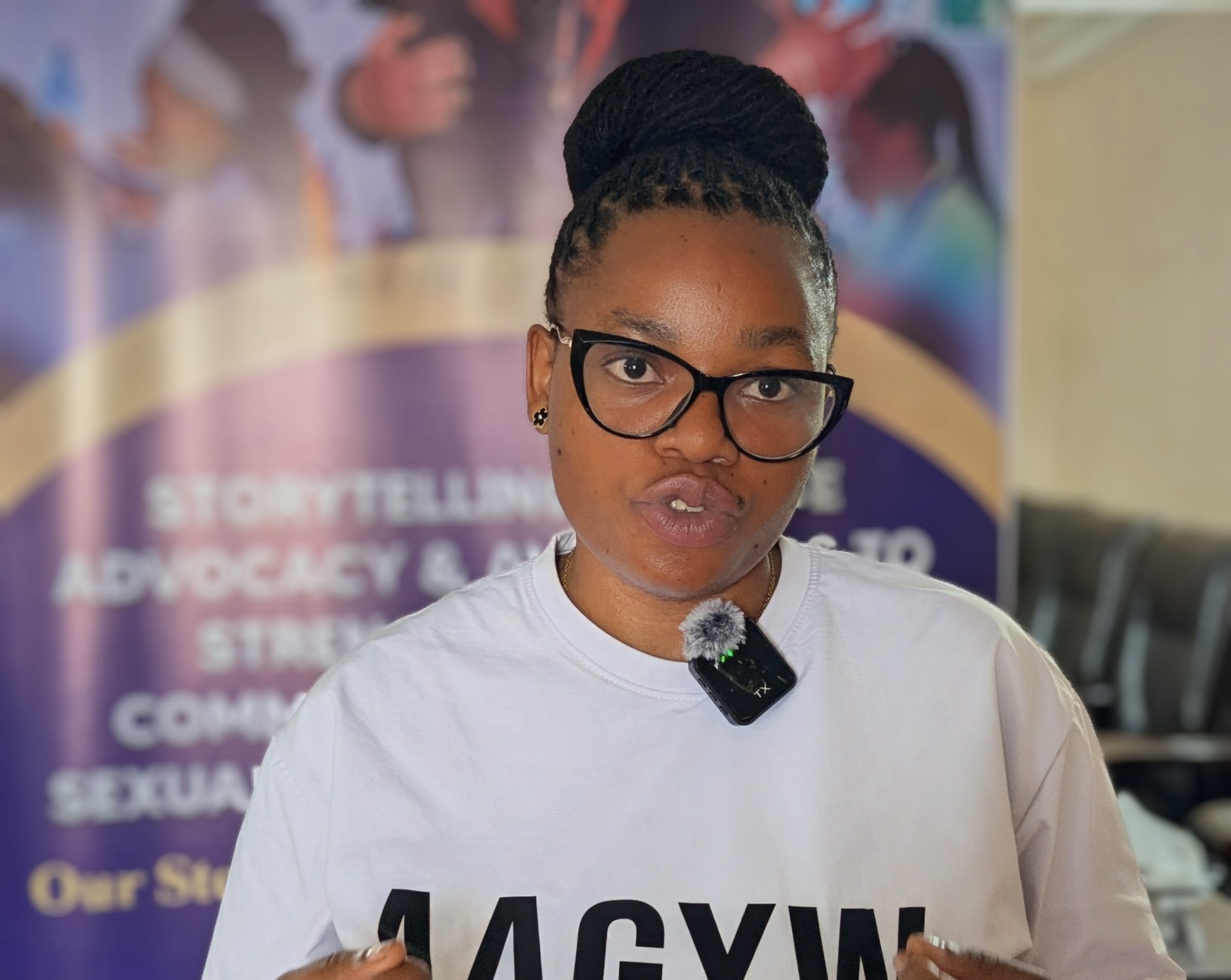
"We want to educate adolescent girls and young people on comprehensive sexuality education," Ndum Charlotte explained, "so that they can make informed decisions about their sexual and reproductive health."
But education alone, the organisation insists, is not enough. A girl who understands her rights but does not know where to access family planning services, contraceptives, or counselling is still without the help she needs. That is why the launch was designed specifically to bring in local stakeholders to build the surrounding systems that give the education meaning.
"The education alone is futile if it is not complete," Ndum Charlotte said.
Councils Step Forward
The response from local government was encouraging.
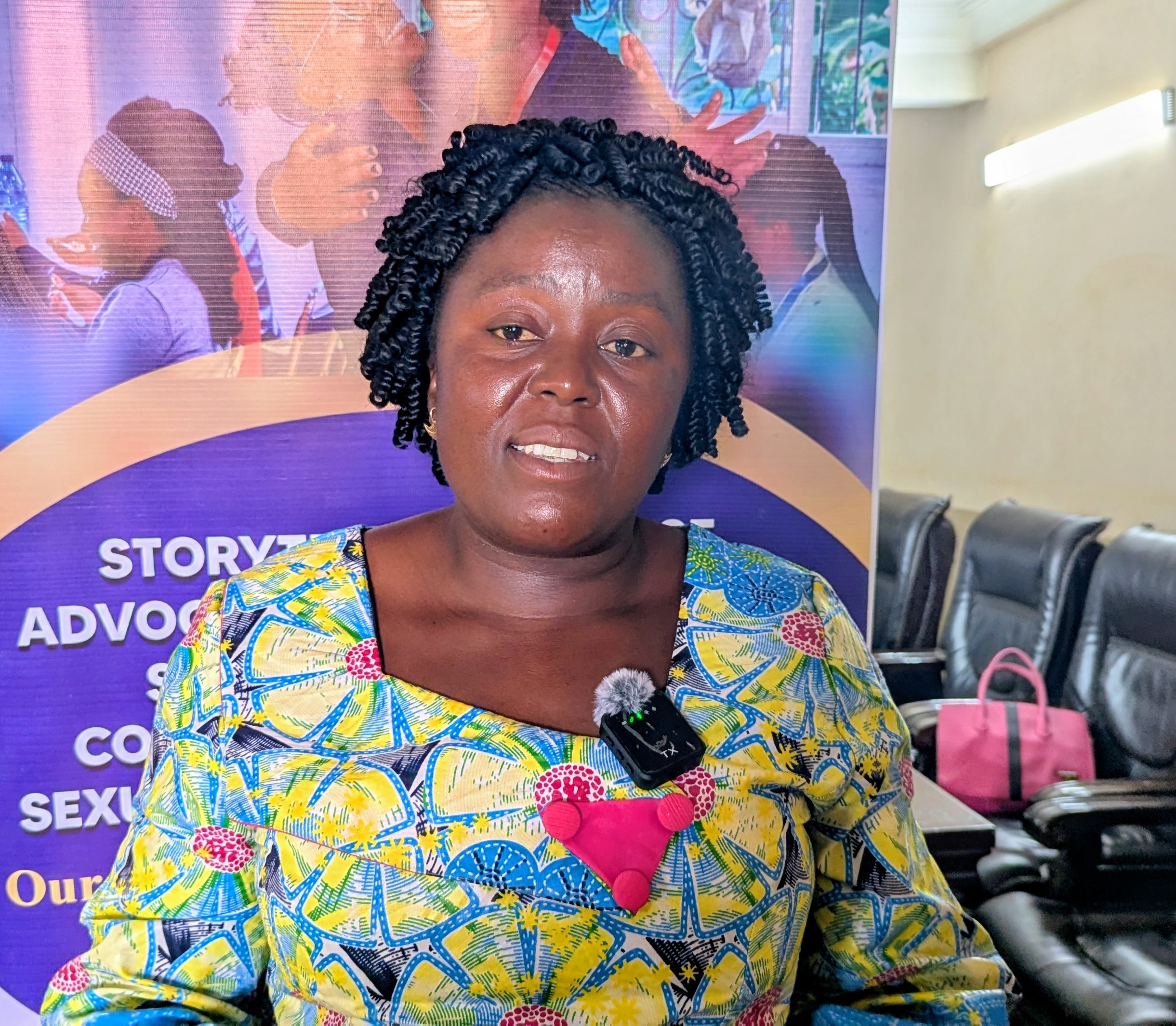
Bamenda III Council's Chairperson for the Youth, Women and Cultural Committee, Bonghabi Bernadette, acknowledged the weight of the moment. With the ongoing conflict having pushed many young people into poverty, even basic hygiene and sanitation kits are out of reach for a number of them. She noted that her council has been running youth workshops and holiday employment programmes as stopgap measures but that more structural action is needed.
"I will be taking this message back to the council to push for more inclusivity for the youths," she pledged, adding that Bamenda III is actively working on a Gender Policy.
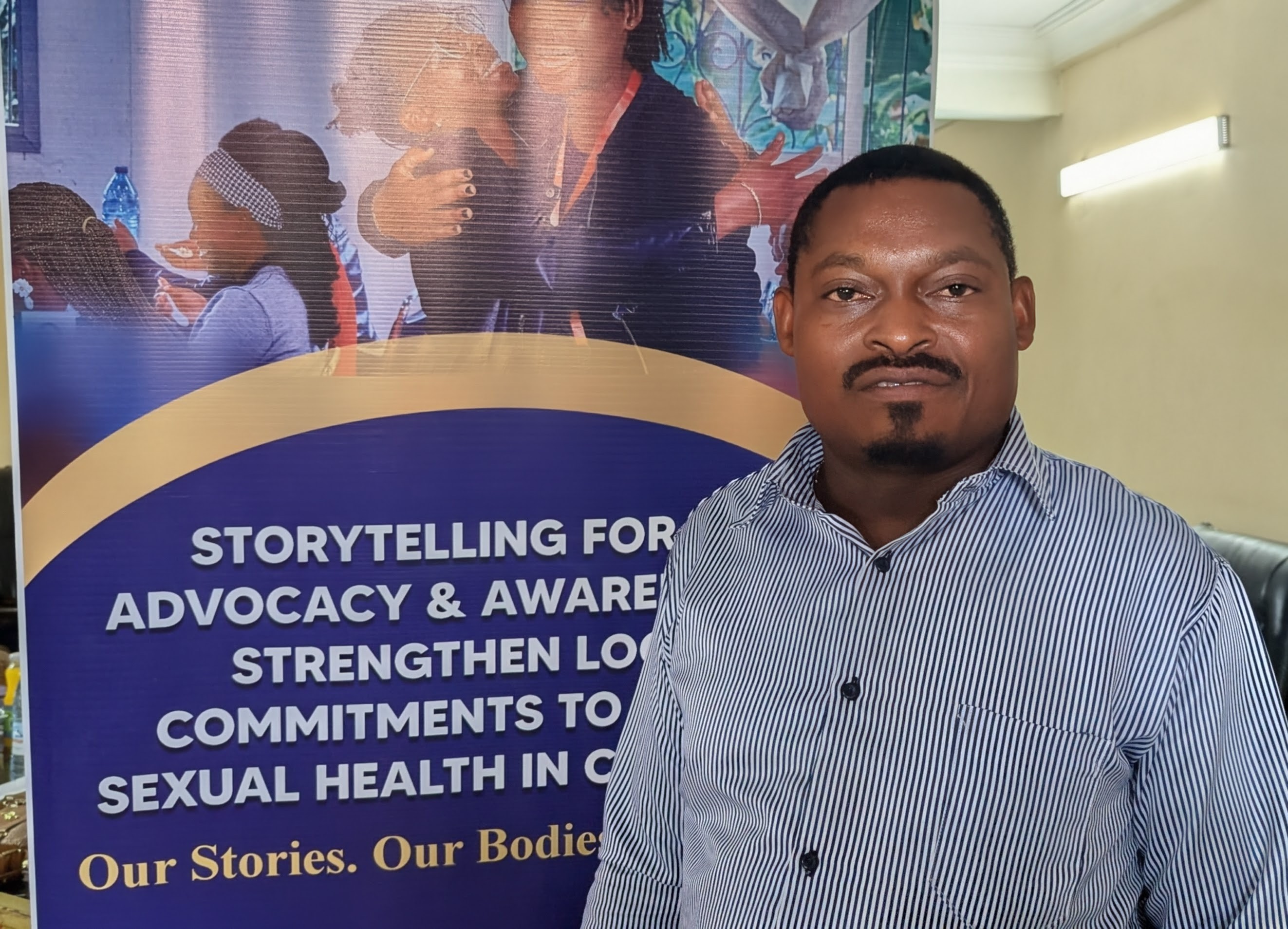
From Tubah Council, Councillor and community psychologist Tekeh Dickson Tembei praised both the project's vision and its storytelling method. He pointed out that Tubah is a cosmopolitan municipality, home to the University of Bamenda, and that the project could not have come at a better time. The council, he noted, is already constructing a Women's Empowerment Hall a sign, he said, that the will to act is there.
"I Know How I Was as an Adolescent"
Perhaps the most moving voice at the launch belonged to Dr. Akumawah not just as a health professional, but as a woman who looked back at her own teenage years and recognised herself in the girls this project hopes to reach.
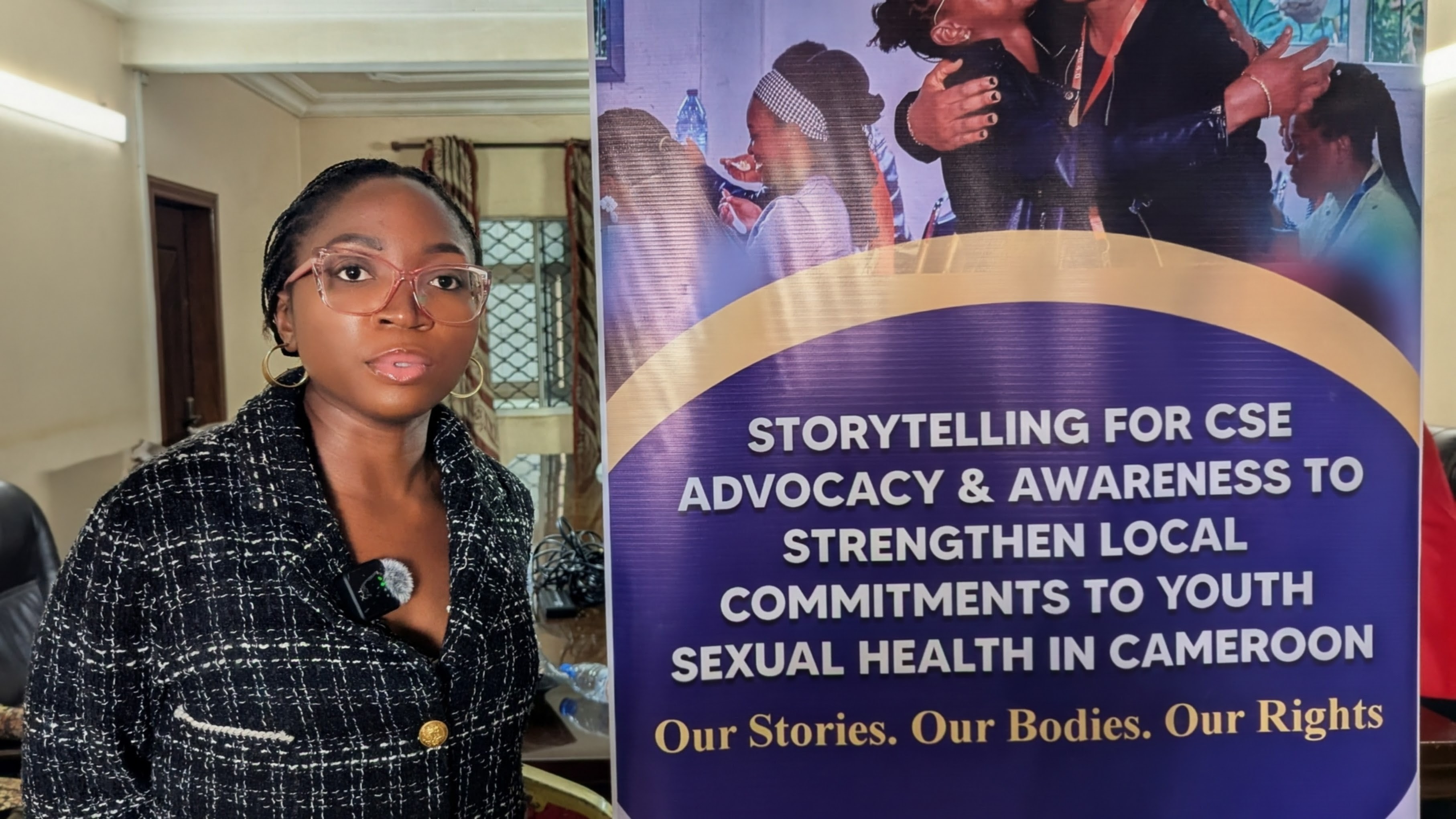
"I know how I was as an adolescent, and how a project like this would have changed so many decisions that I made," she said. "Having this kind of project available to girls who were in my position a couple of years back is applaudable."
She expressed hope that the project marks a turning point a shift away from simply speaking about survivors, toward building a generation of young women who never have to survive those experiences in the first place.
"We don't want to talk about survivors anymore," she said. "We want to talk about women who have had no bad experiences."
What Comes Next
The project will be implemented across Bamenda III and Tubah council areas, with a clear dual focus: educating young people directly, while simultaneously pushing local policymakers to make comprehensive sexuality education a formal priority in their development plans.
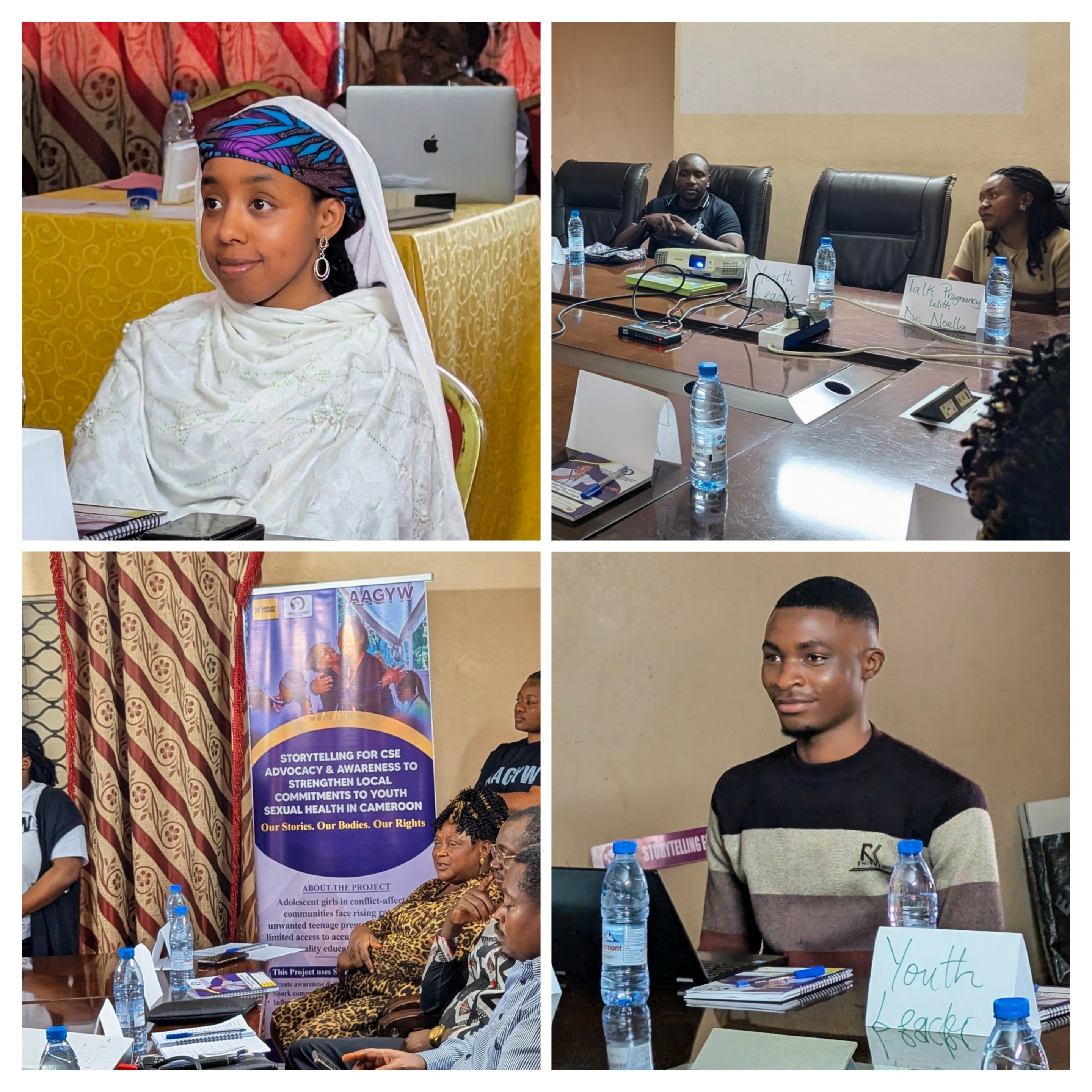
AAGYW hope that by anchoring the work at the council level, it will outlast any single campaign and become a lasting part of how these communities care for their girls.
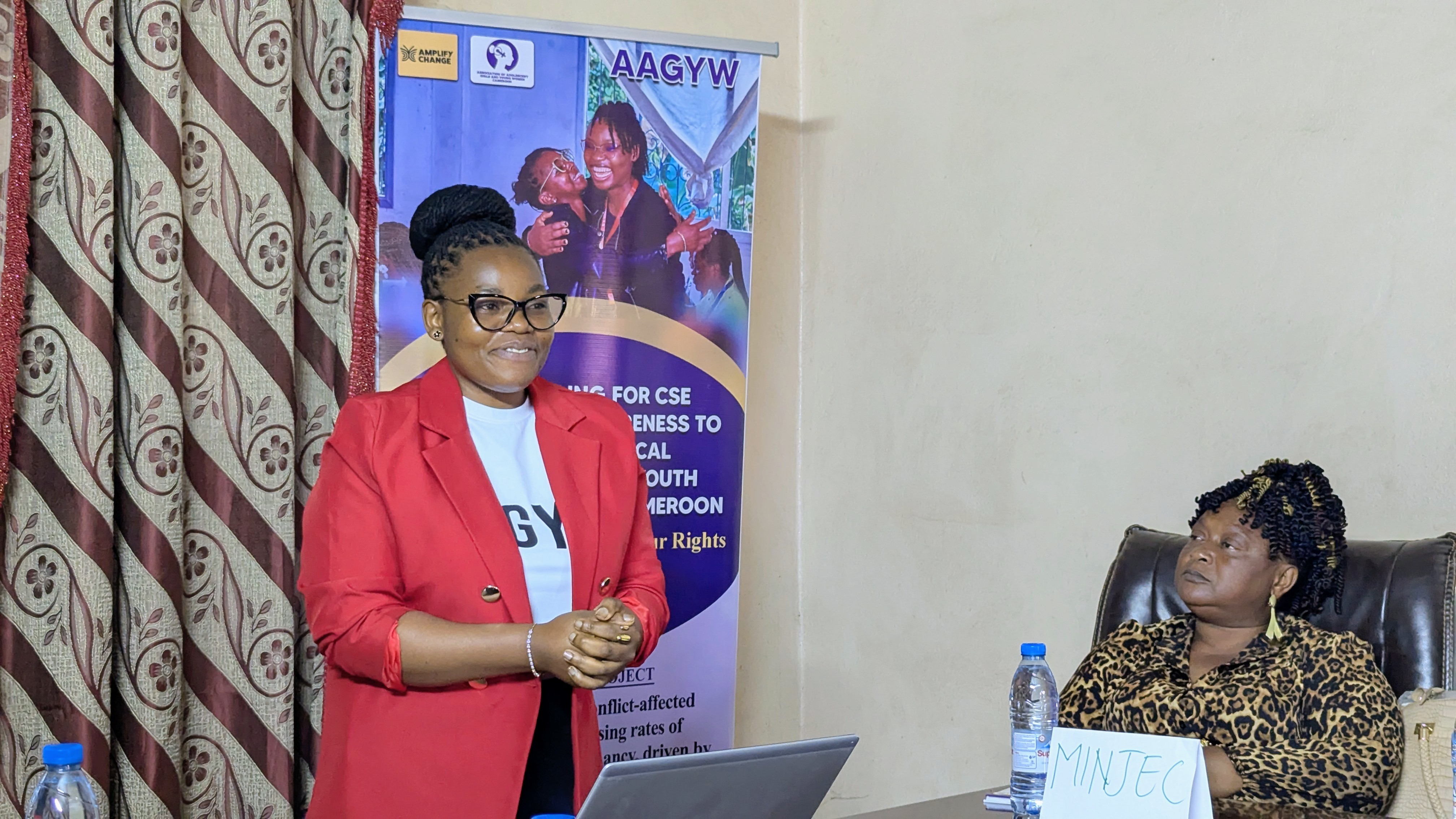
For Ndum Charlotte, the mission is personal and clear.She was lucky enough to have a mother who talked to her.
Now, she wants every girl in Bamenda to have that conversation too even if it comes through a screen, a story, or a community gathering rather than around a kitchen table.
Because no girl should have to search for answers alone.
The Association of Adolescent Girls and Young Women in Cameroon is leading the work supported by Amplify change.
By Bamenjo Petronilla
+237 671870116