Grain Bags and a Hired Taxi: How Cameroon's Wildlife Traffickers Move Their Cargo
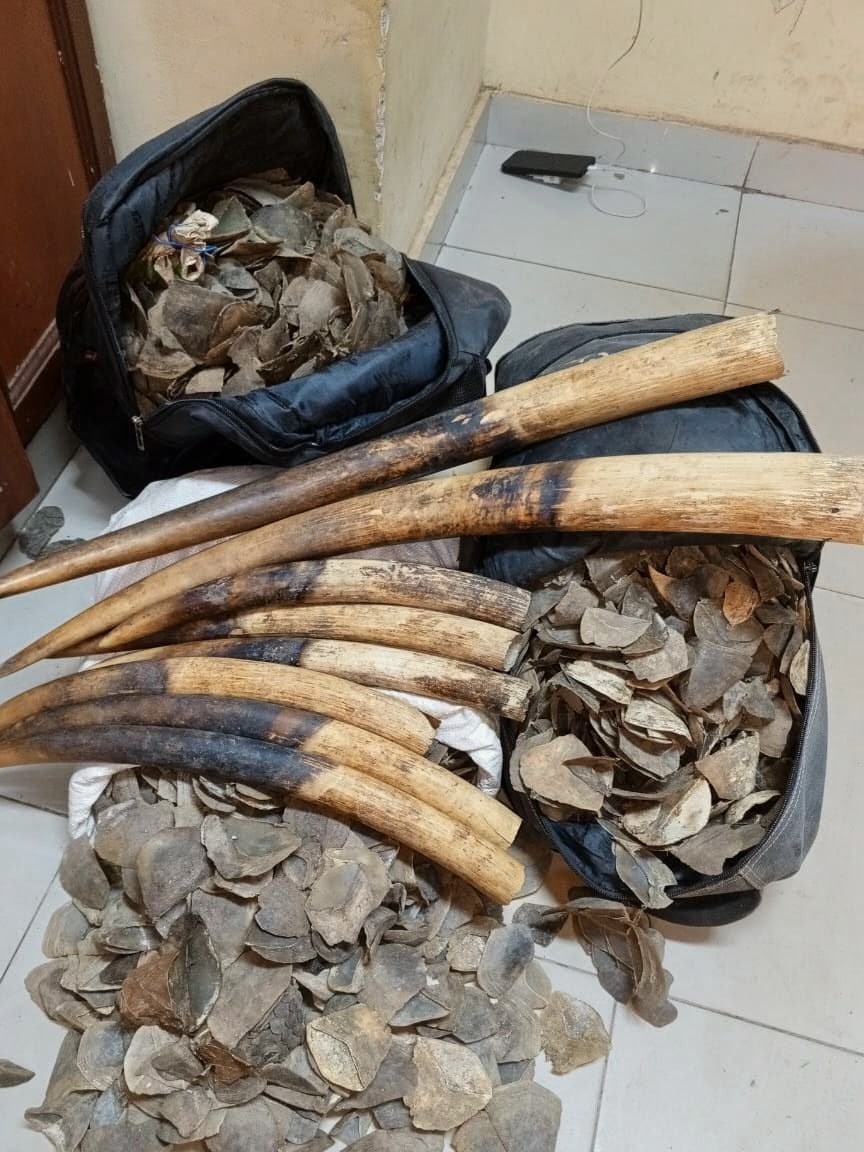
The grain bags looked ordinary enough. Lumpy, tied at the top, the kind you might see stacked outside any market in Yaoundé. But when wildlife officials and police closed in on the city's Ekoudoum neighborhood, what they found inside stopped them cold eight elephant tusks, smuggled out of the forests of central Africa and on the verge of disappearing forever into the black market.
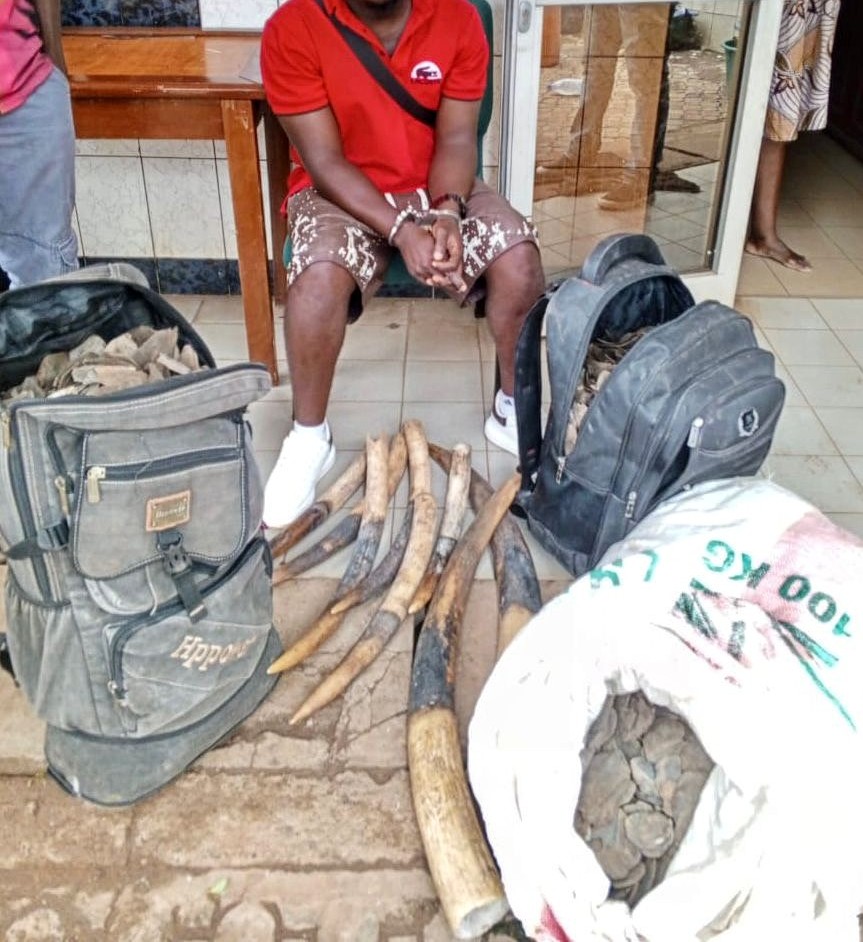
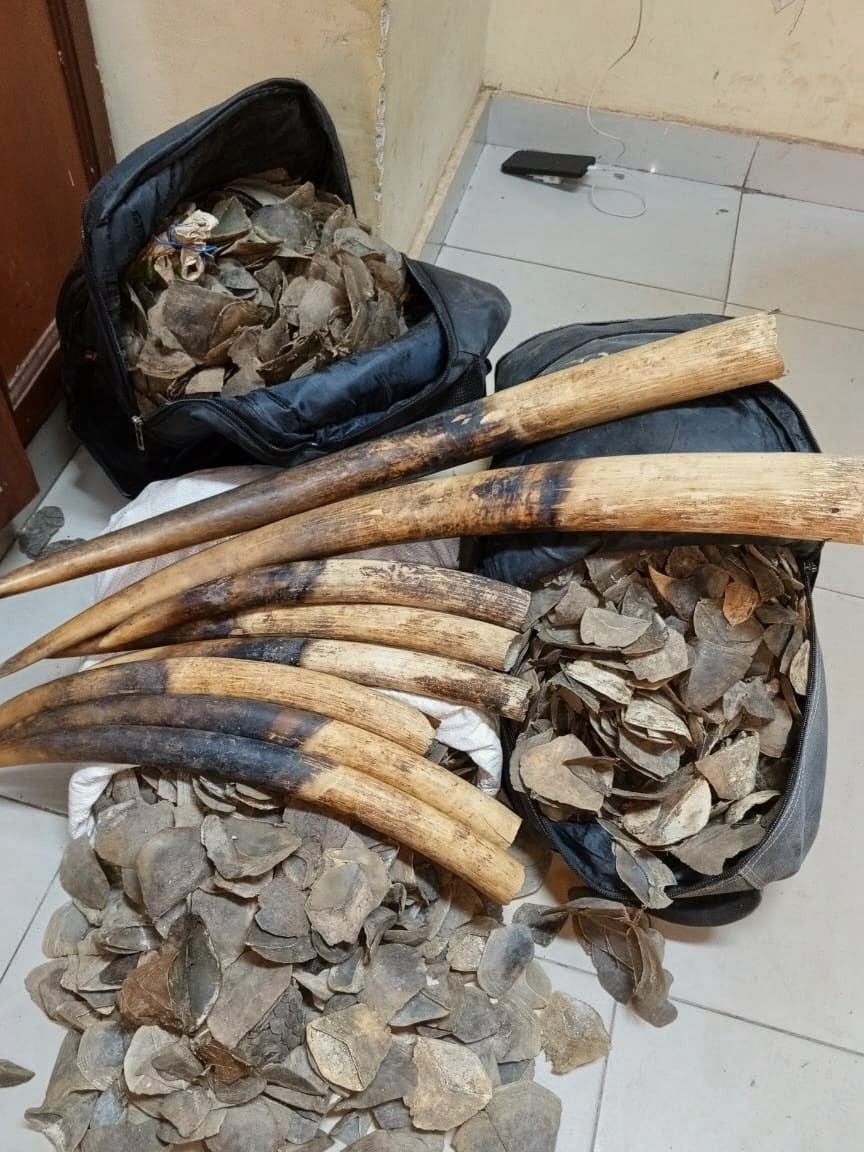
Wildlife officers have arrested a 28 year old in Yaoundé's Ekoudoum neighborhood before he could complete what investigators believe was a major ivory sale. Hidden inside grain bags in a car's boot were eight elephant tusks. Two backpacks and another bag which carried52 kilograms of giant pangolin scales (enough to fill a small room).He never got the chance to shake hands on the deal.
A Long Journey to Make an Illegal Sale
The suspect had traveled hundreds of kilometers to reach Yaoundé that day. Investigators say he came from Mintom, a small town in Cameroon's South Region that has become known as a meeting point for illegal ivory traders. He made the journey by public transport, keeping his cargo carefully out of sight.
The tusks themselves are believed to have crossed an international border. Investigators say the man sourced them from the Republic of Congo meaning these elephants likely died far from Cameroon before their tusks made their way into grain bags on Yaoundé street.
To avoid suspicion, the man led a double life. He worked openly as a cocoa trader, moving between towns and villages in the region. The wildlife business, investigators say, ran quietly alongside it.
Officers Moved In at the Last Moment
The arrest was carried out by Cameroon's Centre Regional Delegation of Forestry and Wildlife, working together with the Regional Division of the Judicial Police. LAGA, a wildlife law enforcement group provided technical support.
Officers waited until the transaction was about to be completed before moving in a common tactic used to catch both buyers and sellers in the act.
The suspect is now in custody. Under Cameroon's 2024 wildlife law, which treats wildlife trafficking as a serious crime, he could face up to 20 years in prison if found guilty.
Why This Case Matters
Elephants and all pangolin species found in Cameroon are fully protected under national law. Killing them, selling any part of them, or even moving them from one place to another is illegal. Pangolins are the most trafficked wild mammals on earth. Elephant ivory has been driving the animals toward extinction for decades.
Officials say traffickers are becoming harder to catch. As the government tightens its crackdown, networks like the one this man is believed to belong to have gone further underground, using cleverer tricks to move their goods undetected.
This time, grain bags were not enough.
Source: LAGA